


Open the kitchen drawer with all the orphaned plastic lids. Count them. The number is usually somewhere between 12 and 30. Each one belonged to a container that no longer has its match, or that cracked, or that warped in the dishwasher, or that started smelling permanently of last week's curry. That drawer is the actual cost of cheap containers. It's not the price tag.
If you're wondering whether to invest in a stainless steel bento or stick with the plastic ones from the supermarket, here are the five questions worth asking before you decide.
Question one: how long do you want this to last?
Plastic lunch containers, even good ones, have a working lifespan of one to two school years. The lids warp. The seals fail. The plastic stains and starts holding flavours from one meal to the next. By year three, the container that started life as "the good one" has become the one shoved at the back of the cupboard.
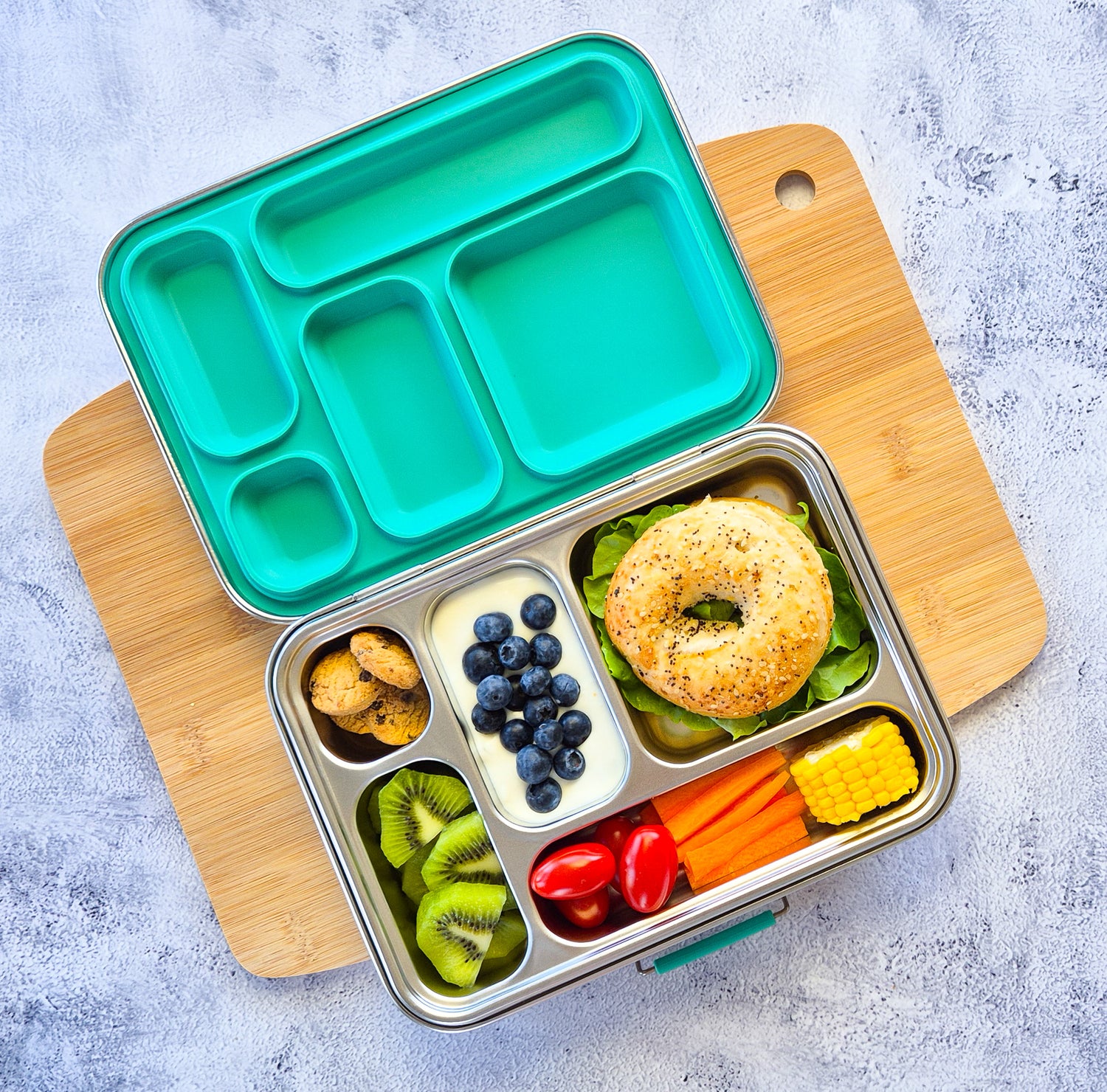
A stainless steel bento lunch box has a different lifespan entirely. The metal doesn't warp, doesn't stain, and doesn't pick up smells. The seals are usually replaceable. Stories of families using the same stainless bento across multiple kids, with seal replacements every few years, are common rather than exceptional. If you're packing five lunches a week for a child between ages five and twelve, that's roughly 1,400 lunches. The container choice matters.
Question two: how does it handle the dishwasher?
Plastic does not love the dishwasher. The heat warps lids. The detergent dulls the surface. The hot dry cycle is what cracks plastic earliest. Most plastic containers come with a hand-wash recommendation that almost no busy parent actually follows.
Stainless steel is unbothered. Top rack, bottom rack, hot wash, hot dry - the metal handles all of it. The seal usually needs a hand wash, but that's a 30-second job. The fact that the body of the container can go in the dishwasher every single day, for years, is the single biggest practical difference between the two materials.
Question three: what about food safety?
This is the question parents ask but often don't get a straight answer to. The honest version: most modern food-grade plastic containers are tested and certified safe for cold food. The concern with plastic isn't usually about today's lunch. It's about the cumulative exposure over years, particularly when plastic is heated (microwaving), scratched (which happens after a few months in a dishwasher), or used to store oily or acidic foods.
Stainless steel sidesteps the question. It doesn't leach anything. It doesn't react with citrus, tomato, or vinegar. It doesn't stain when you pack curry leftovers. For most parents, this isn't the deciding factor on day one, but it becomes increasingly relevant the more research you do.
"We were on our fourth plastic bento in two years when I finally did the maths. Each one was thirty bucks, kept warping in the dishwasher, and was developing those weird cloudy patches that won't come off. I bought one stainless steel one, and we've now had it for four years. It still looks new. The plastic one I bought the same week ended up in landfill within ten months."
- Andrew F., Newcastle
Question four: how does it perform on the practical stuff?
Three real-world test cases worth thinking about. Leak resistance: how does the box go when it's tipped sideways in a backpack with a wet juice spill nearby? Stain resistance: what happens when you pack beetroot, curry, or tomato pasta? Insulation: does it keep cold food cold for four hours in a bag?
Plastic loses on stain resistance and tends to lose on long-term leak resistance because the seals warp. Stainless steel handles stain resistance perfectly because the metal is non-porous. Insulation depends on whether the box is a single-wall or double-wall construction (most stainless bento are single-wall, so they need an insulated lunch bag with an ice pack to keep food cold).
The leak resistance is the one parents care about most, and it's worth checking what kind of seal the bento has before you buy. Silicone seals last longer than rubber. Replaceable seals beat sealed-in seals.
Question five: what's the actual cost difference?
A decent stainless steel bento costs roughly two to three times what a plastic one costs upfront. The plastic one will likely need replacing two or three times before the stainless one shows any signs of wear. The maths flips somewhere between year two and year three, and after that, the stainless one is essentially free.
That doesn't even count the avoided landfill, the avoided dishwasher disasters, or the morning where the plastic lid finally cracks and you're three minutes from the school run with no working container.
The honest verdict
If you're packing one or two lunches a week and the kid is two years from finishing primary school, plastic is fine. The lifespan calculation doesn't tip far enough to justify the upfront cost.
If you're packing five lunches a week, and you've got a child who'll be in school for another five or more years, the maths is on stainless steel's side. So is the kitchen drawer that you'll never have to clear out.
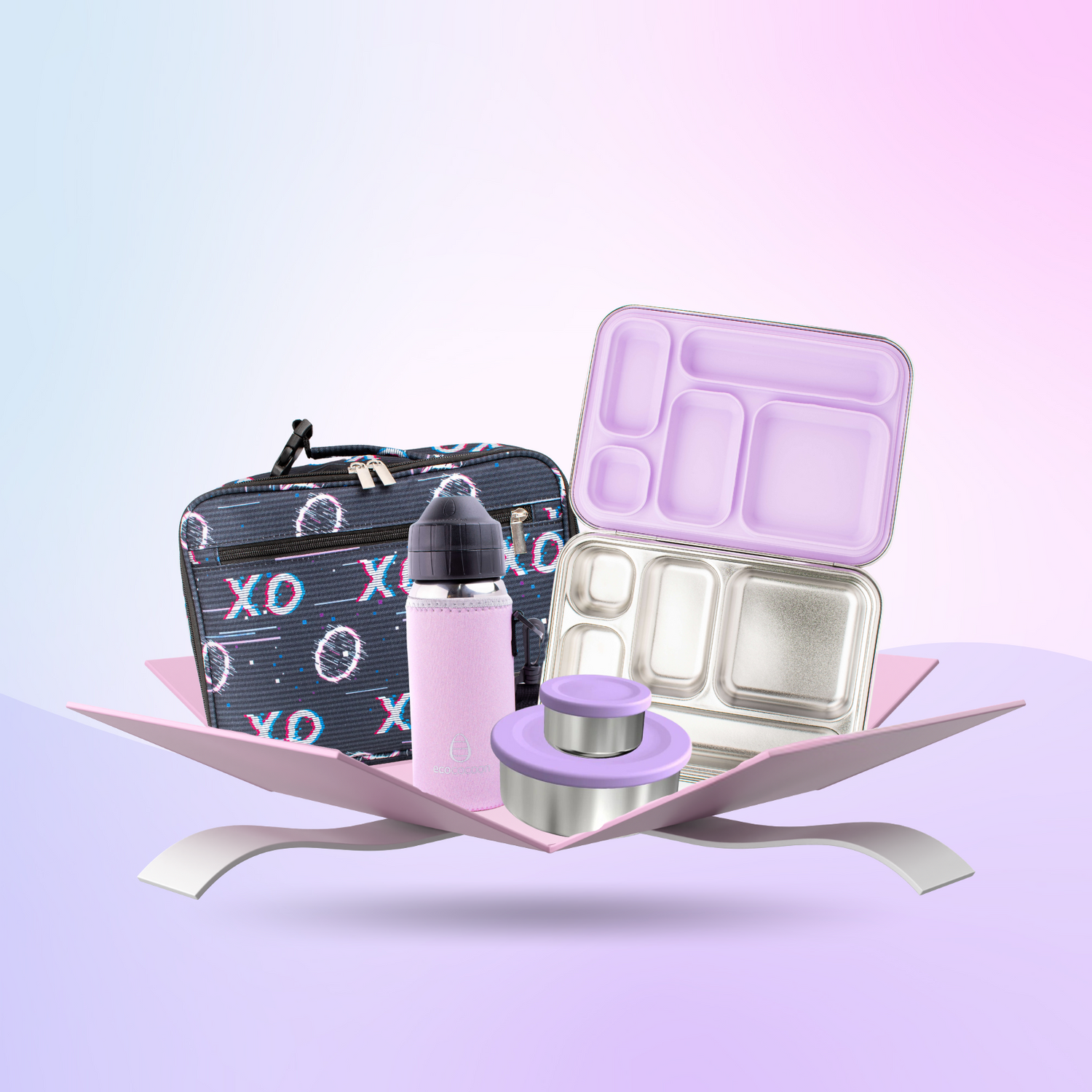
If you're at the start of school, especially with younger kids, the upgrade is worth making early. The container will outlast every other piece of school gear you buy. Pair it with a proper kids' lunch box that you trust to come home empty most days, and the morning routine stops being a churn.
The drawer of orphaned lids is what most families have. It doesn't have to be what your family has.