


The same insulated lunch bag has to do three different jobs depending on whose hand it's in. The daycare bag is held in a tiny fist, opened and closed by an educator twelve times a day, and probably dropped twice. The school bag rides in a backpack with a 1L water bottle, a maths book, and a half-eaten muesli bar. The office bag sits under a desk for nine hours, gets opened by an adult, and might get carried to a meeting room.
What makes a good lunch bag for one of those jobs isn't necessarily what makes a good lunch bag for the other two. Here's how to think about it.
The daycare lunch bag
This is the hardest brief. The bag has to be small enough that a four-year-old can carry it, durable enough to survive being thrown into a tub of identical bags, easy enough for an educator to open one-handed while supervising 14 other kids, and clearly identifiable as your kid's bag from across the room.
The features that matter for daycare:
Compact size. Daycare lunches are smaller than school lunches and you don't want a half-empty bag, because the food slides around and gets bruised. A bag sized for one bento and a small bottle is plenty.
Strong insulation. Daycare bags often spend their morning sitting in a centralised lunch tub at room temperature. Your bag is one of fifteen, and it might not be in the fridge. Good foam insulation gives you a margin of safety here.
One-handed open. Velcro flaps and structured tops are easier than zips for a small kid. They're also easier for educators who are dressing 14 toddlers in raincoats while also trying to put lunches on the table.
Wipeable inside. Daycare lunches mean spills. The lining needs to be wipeable food-safe material, not absorbent fabric.
Identifiable from a distance. A neutral grey bag is invisible in a tub. A patterned or colour-blocked bag is easy to spot. Add a clear name tag.
The school lunch bag
Bigger ask, in a different way. School lunches are bigger meals, the bag spends more time in transit, and the kid usually opens it themselves. The wear and tear is harder because the bag is in and out of a backpack twice a day, alongside other gear.
What matters for school:
Capacity. A primary-school lunch bag should fit a stainless steel bento lunch box, a small thermos or fruit container, and a juice or water if needed. High schoolers want more capacity again. Buying too small is the most common mistake parents make.
Zip quality. The bag is zipped and unzipped at least twice a day, often roughly. A cheap zip will fail by Term 3. A YKK or equivalent zip will last years.
Stitching at the corners. The corners are where bags blow out first. Look at the seams when you're buying. Doubled or reinforced corners are worth the extra cost.
Self-supporting structure. A floppy bag flops around in a backpack and the food inside gets squashed. A bag with a structured base or padded sides keeps its shape and protects what's inside.
Easy for the kid to open. If a six-year-old can't open it, they won't eat. Test the zip, test the flap, test it as if your kid is opening it.
"We had three different lunch bags in two years before we landed on one that worked. The first one was too small, the second one had a zip that broke by July, the third one had no insulation and the cheese went rubbery every day. The fourth one we bought was twice the price and we've now had it for four years across two kids. Sometimes the cheap ones aren't the bargain you think they are."
- Rachel D., Melbourne
The office or work lunch bag
Different again. The adult lunch bag spends nine hours under a desk, gets carried to meetings, often goes to the gym, and has to look like a piece of normal grown-up gear rather than a kids' product.
What matters for the office:
Capacity for a real adult lunch. An adult bento is bigger than a kids' bento. Add a coffee cup and a snack and the bag needs proper room. Most kids' lunch bags are too small for an adult day.
Aesthetic. This is where the office lunch bag genuinely diverges from the kids' market. Most adults don't want a cartoon print. A clean, structured, neutral-coloured bag with quality construction is what works.
Eight-plus hours of insulation. The office day is longer than the school day. The bag sits at room temperature longer. Good insulation matters more here, not less.
Carry options. A handle alone is fine for a 10-minute commute. A long bus ride needs a strap. A cyclist needs the bag to fit in a pannier or backpack.
Easy clean. Office lunches mean the bag has to look presentable. A wipeable interior is essential. A removable washable lining is even better.
The cross-over
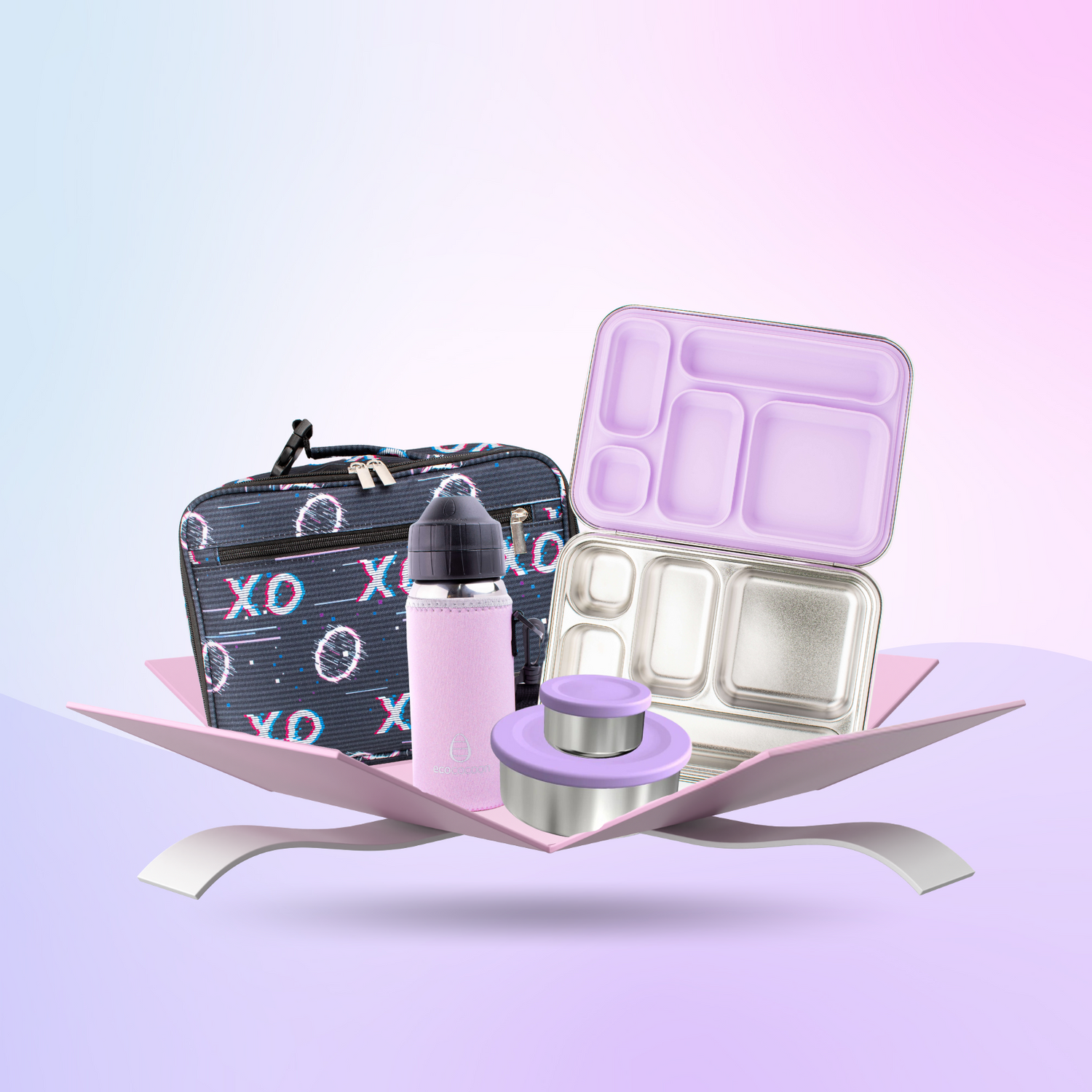
A small number of insulated lunch bags work well across all three jobs. Look for: structured base, decent foam insulation, quality zip, wipeable lining, neutral or low-key design, and a size that fits a real bento plus a water bottle.
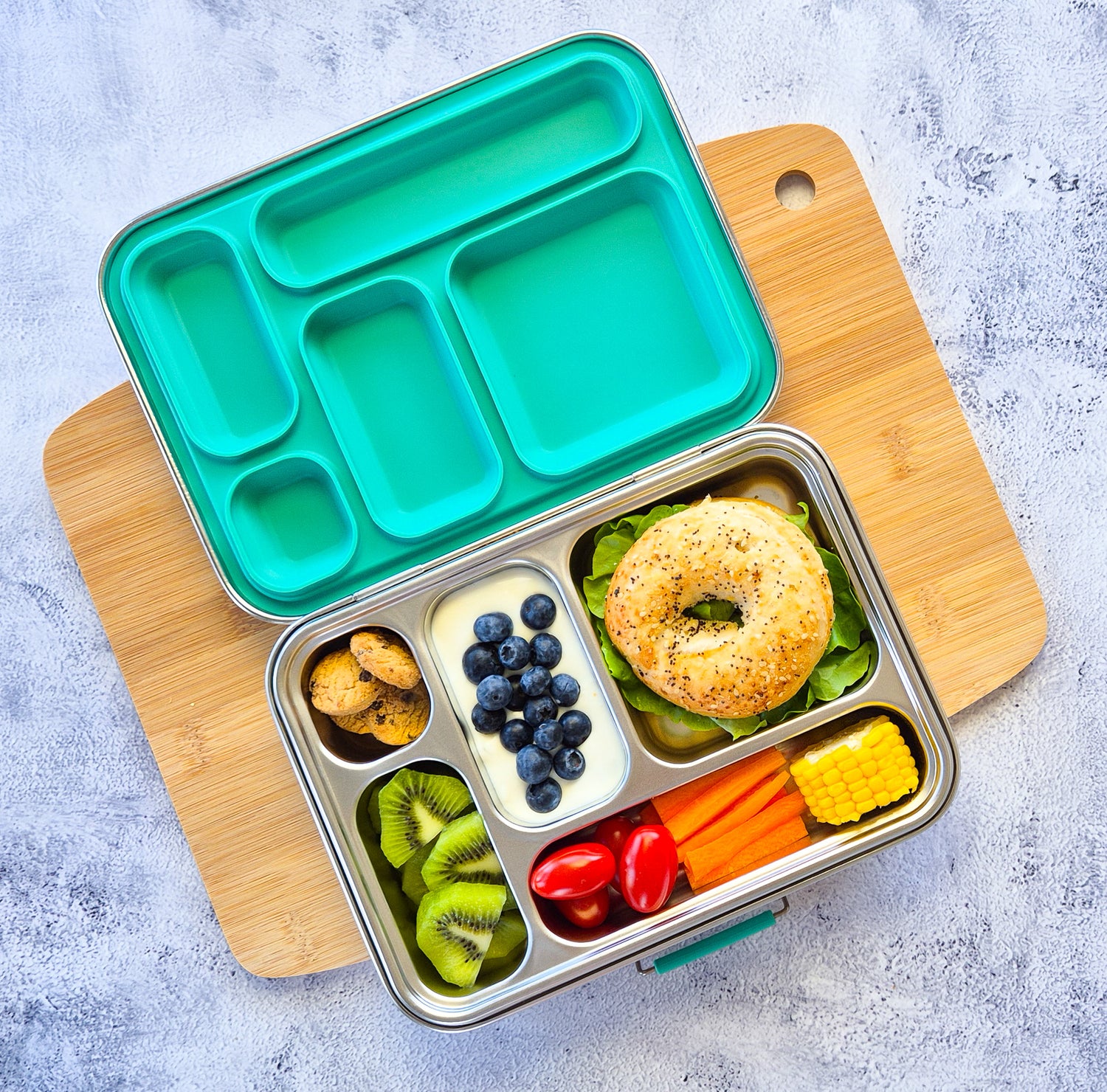
Pairing matters too. The bag is only one piece. Inside the bag, you want a stainless steel lunch box that holds its shape, a small ice pack on top, and a stainless steel water bottle for hydration. The system works as a unit.
The honest priorities
For most Australian families, the bag-buying decision happens once every two or three years. It's worth getting right. The cheapest bag isn't the best value. The most expensive bag isn't always either.
For daycare: small, easy to open, durable, identifiable.
For school: capacity, zip quality, structured, kid-operable.
For the office: real-adult capacity, neutral design, all-day insulation, easy clean.
One bag rarely does all three perfectly. The good news is that a well-chosen bag does at least two of them very well, and that's plenty.